
Why Australia's Vibrant Cultures Enrich Your Travel Portfolio
Discovering Indigenous Cultures
As an environmentally-conscious photographer, Melbourne’s vibrant artistry provides the perfect canvas to invite more profound insights into Indigenous Australian cultures. Exploring Aboriginal art and traditions can be likened to getting lost in the vibrant street art of Fitzroy. Their rich stories, conveyed through intricate paintings and sculptures, capture the essence of their connection to the land and environment.
Learning about Dreamtime stories offers a unique understanding of Aboriginal spiritual beliefs. These stories, often depicted in art forms, provide narratives that explain natural phenomena and cultural customs. They resonate deeply with anyone who values the interplay between human creativity and nature. Imagine wandering through Yarra Bend Park's natural landscapes while contemplating the ancient tales that shaped the land you walk on.
Cultural festivals provide an enriching experience, allowing you to witness firsthand the vibrancy of Indigenous performing arts, music, and dance. Such events often integrate sustainable practices, reflecting the communities’ commitment to nurturing their environment. Participation in these festivals not only enhances your understanding but also allows for meaningful engagement with local custodians of the land.
Travelling beyond Australia, Africa tours and South America tours offer diverse experiences to capture through the lens. In Africa, photographing majestic wildlife amidst vast savannahs, or the unique meld of cultures in South America, can add depth to any visual portfolio. Whether in Melbourne or far afield, these experiences promise to enrich both your environmental awareness and photographic journey.
Exploring Multicultural Cities
Diverse Food Scenes
Melbourne's cityscape thrives on its multicultural pulse, offering an array of distinct culinary experiences that can rival the most exotic destinations. Imagine wandering through the winding lanes near the Royal Botanic Gardens, where the aroma of diverse cuisines wafts through the air. From the fiery zing of Sichuan dishes to the rich and hearty flavours of Italian pasta, your palate will travel the globe without leaving the city. Whether you're savouring a comforting bowl of pho or indulging in spicy tacos, these experiences frame Melbourne as a veritable epicurean paradise.
Global Art and Architecture
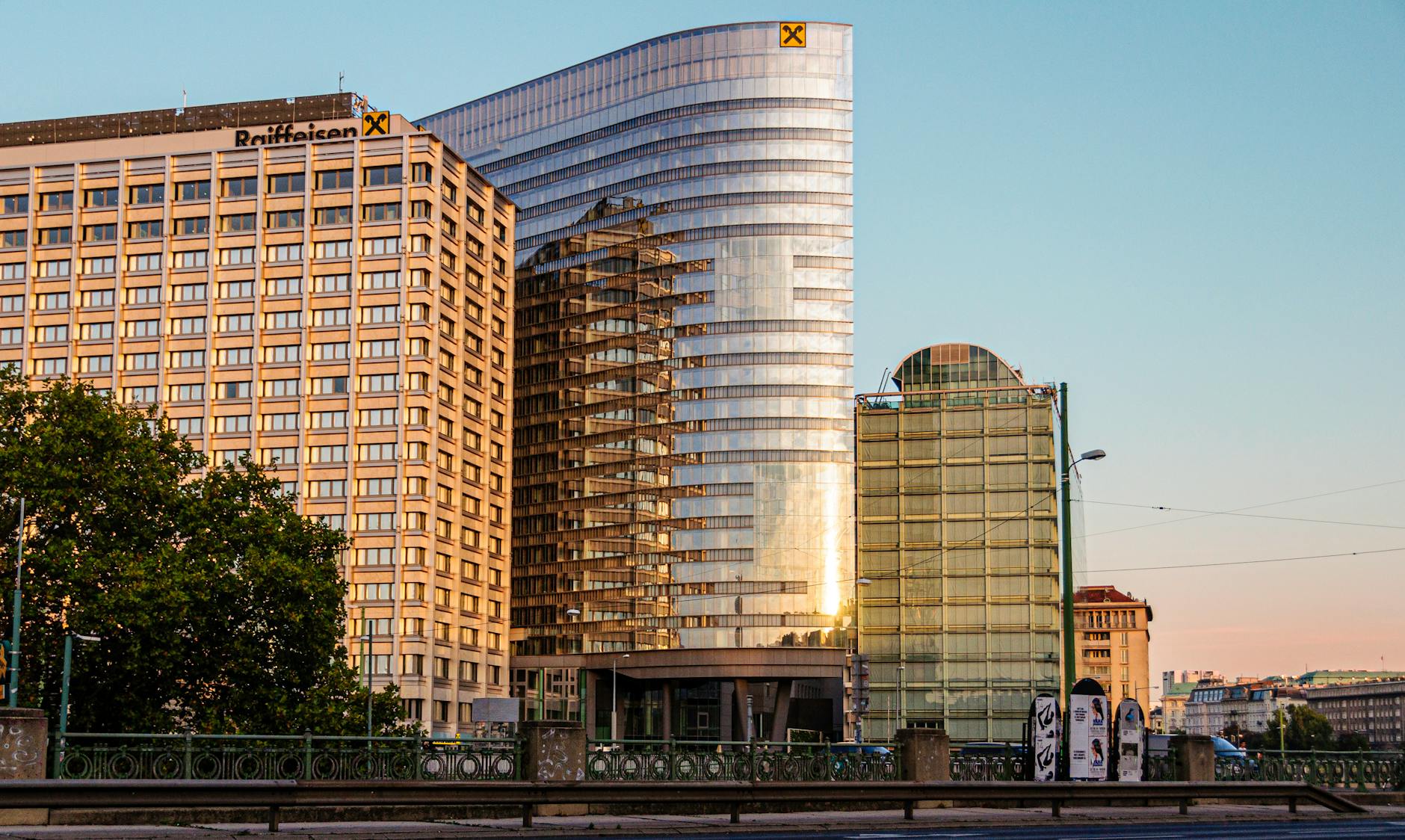
Melbourne's art scene, much like its architecture, is a testament to its vibrant cultural tapestry. The city is adorned with creative expressions from around the globe, akin to the captivating street art of Fitzroy. Local galleries host regular exhibitions showcasing both historical artefacts and contemporary masterpieces from various cultures. The architectural landscape offers a mix of Victorian facades and cutting-edge modern designs. This cultural flux resonates with the creative energy I find prevalent in my travels to regions like tailormade South America, where architecture and art often intertwine in fascinating harmony.
Vibrant Festivals and Events
The city’s lively calendar is dotted with festivals that celebrate its multicultural identity. Melbourne's festivals, such as Moomba or the Melbourne International Arts Festival, present an opportunity to immerse oneself in global traditions and performances. When travelling to Africa, an Africa safari might be your cultural expedition, but in Melbourne, vibrant festivals transform streets into kaleidoscopes of colour and sound. Each event transforms the city into a lively and inclusive gathering, where stories from different cultures echo in the air, enhancing the urban atmosphere.
Capturing Unique Landscapes
Photogenic Coastal Views
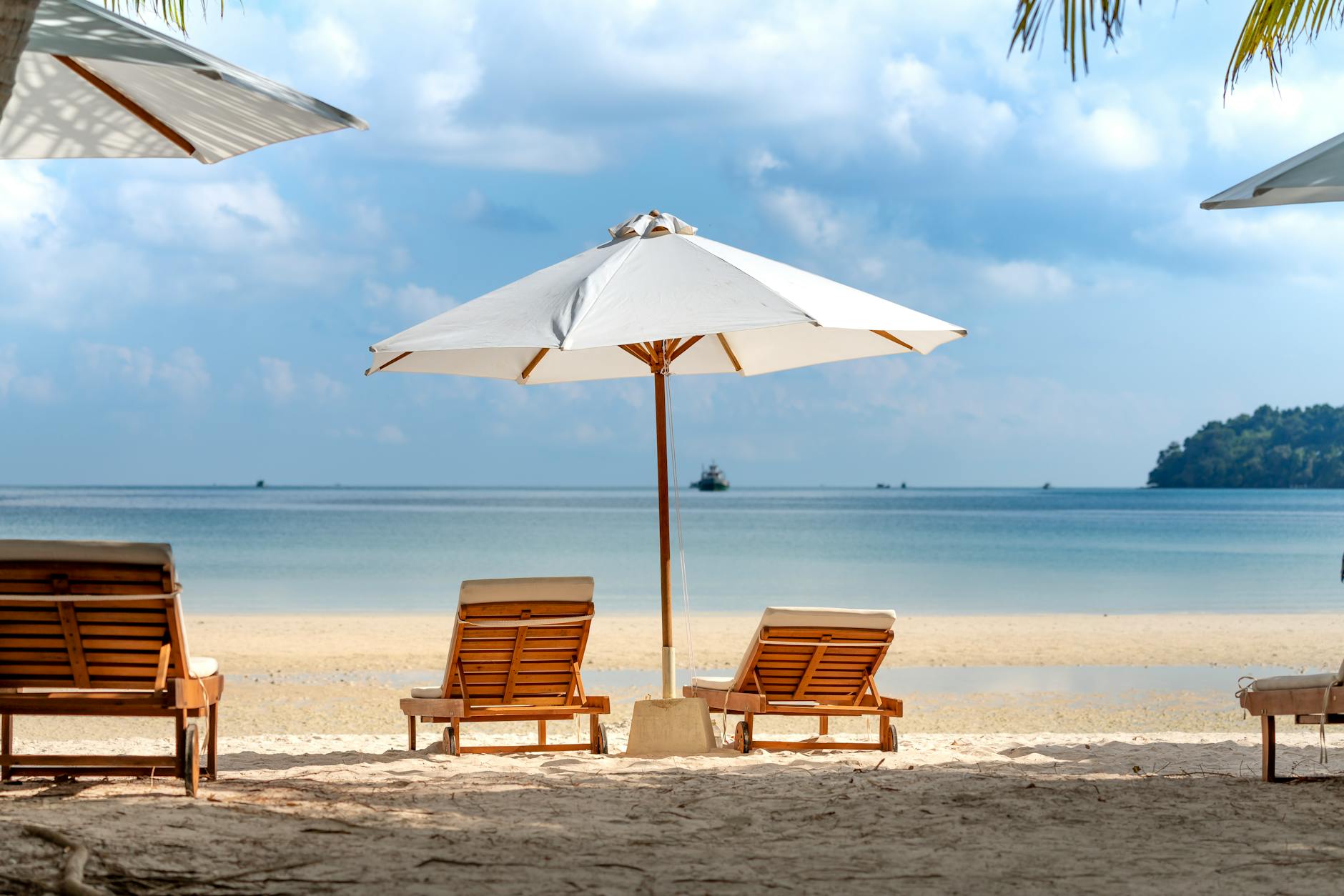
As an environmentally-conscious photographer, I often find myself inspired by the serene coastal views that Australia's coastline offers. The dramatic cliffs and azure waters create an idyllic setting for capturing breathtaking photos. The coastal stretches around Mornington Peninsula and the pristine beaches of Jervis Bay provide excellent opportunities to work on seaside compositions, especially when considering the effects of changing tides and the soft glow of sunset.
Dramatic Outback Scenes
Venturing into Australia's outback reveals a world of stark contrasts and rugged beauty. The vast expanses of red desert sand, rich with unique wildlife, offer unparalleled opportunities for photography. Locations like Uluru and the Kimberley region allow you to capture the essence of the Australian landscape's harsh but captivating appeal. Here, it's important to consider the environmental impact of our presence and ensure that we leave no trace in these pristine landscapes.
Hidden Natural Wonders
Hidden gems such as the limestone formations of the Pinnacles Desert or the lush forests of the Tarkine in Tasmania provide diverse and captivating subjects for both amateur and seasoned photographers. Capturing these hidden natural wonders requires a keen eye and an appreciation for intricate details. The dramatic play of light and shadows in such areas can be strikingly similar to the complexity found in polar expeditions. These less-trodden paths offer a sense of discovery, much like the vibrant street art of Fitzroy offers unexpected visual delights amid Melbourne's urban sprawl.
Consider incorporating an awareness of the changing environment within your work. As our natural landscapes evolve due to climate shifts, your photography not only captures beauty but serves as a poignant reminder of the need for conservation. Each frame tells a story, much like the narratives waiting to be discovered on Antarctica cruises.
Engaging with Local Communities
When it comes to engaging authentically with local communities, participating in immersive activities can provide rewarding experiences that deepen your connection to the destination. As an environmentally-conscious photographer from Melbourne, taking part in african safari experiences can enrich your photographic portfolio and support wildlife conservation efforts. One way to do this is by joining community workshops that offer hands-on learning with local artisans or environmentalists aiming to preserve their heritage and ecosystem.
Joining Community Workshops
Workshops not only connect you with local experts but also share unique knowledge and skills. Whether it’s learning traditional crafts or understanding sustainable practices, such community engagements open avenues for meaningful interactions. This not only helps in capturing the essence of local culture but also ensures that your visit leaves a positive impact on the community.
Participating in Local Tours
Participating in kenya tours can enhance your travel experience by providing insights into the local culture and environment. These tours often include visits to spots that are off the typical tourist path, offering unique perspectives and photo opportunities. Emphasising eco-friendly practices, such tours ensure minimal environmental impact while maximising cultural appreciation.
Building Cross-Cultural Friendships
Connecting with locals can lead to lifelong friendships and insights that go beyond tourist experiences. Sharing travel stories and learning about their daily lives humanises the travel experience and often unveils unexpected narratives and photo opportunities. It’s an enriching journey that offers both personal growth and an expanded worldview.